
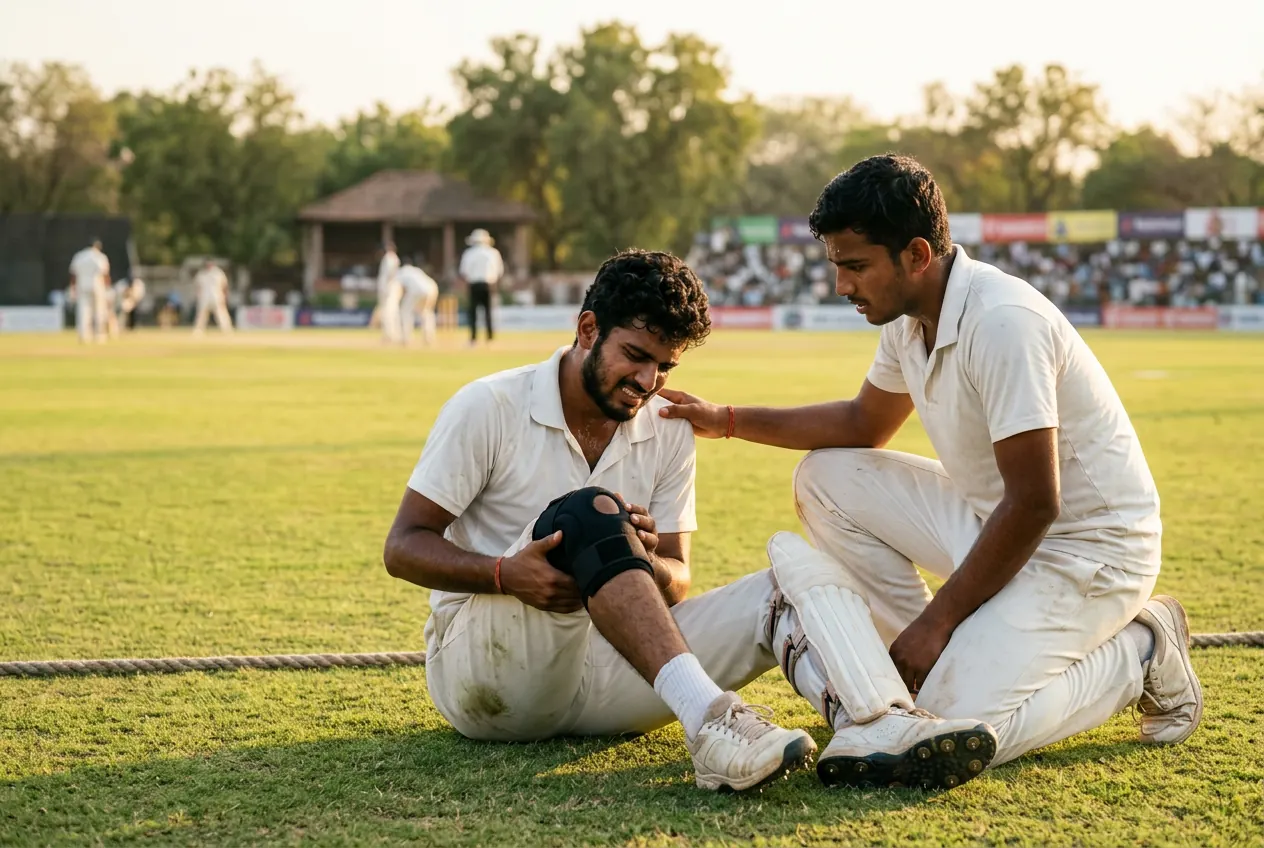
Sports injuries we assess and treat
Knee injuries
Anterior cruciate ligament (ACL) and other ligament tears, meniscus tears, kneecap dislocation and cartilage damage. See knee injuries.
Shoulder injuries
Recurrent dislocation, rotator cuff tears, SLAP tears and frozen shoulder. See shoulder injuries.
Ankle injuries
Ligament sprains and tears, Achilles tendon tears, cartilage lesions of the talus and impingement. See ankle injuries.
Elbow injuries
Tennis elbow, golfer’s elbow and osteochondritis dissecans. See elbow injuries.
How is a sports injury assessed?
Assessment starts with how the injury happened and a careful examination of stability, movement and strength. X-rays check for fractures, and an MRI is used when a ligament, cartilage or tendon injury is suspected and the result would change treatment. Not every injury needs a scan.
Non-surgical and surgical treatment
Many sports injuries improve with relative rest, swelling control, bracing where appropriate and a structured physiotherapy programme. Surgery is considered when the joint is unstable, a repairable structure is torn, mechanical symptoms such as locking persist, or non-surgical care has not helped. Most of these operations are performed by arthroscopy, using small incisions and a camera.
Preventing re-injury
Prevention matters as much as treatment. Warming up properly, building strength and balance gradually, using correct technique and footwear, and increasing training load step by step can reduce the risk of injury. After an injury, completing the full rehabilitation programme, rather than stopping once pain settles, is one of the most effective ways to lower the chance of it happening again.
Principles of returning to sport
- Return is based on recovery milestones such as strength, balance and control, not on time alone
- Rehabilitation progresses from movement to strength to sport-specific drills
- Returning too early can increase the risk of re-injury
- Timelines vary widely; for example, recovery after ligament reconstruction is usually measured in months
When to seek urgent care
Go to the nearest emergency department if you cannot bear weight, the joint looks deformed, there is numbness or a cold limb, or a wound over the injury.
Frequently asked questions
Do all sports injuries need an MRI?
No. Many injuries can be diagnosed by examination and X-ray. An MRI is advised when it is likely to change the treatment plan.
Do I need to be an athlete to see a sports injury specialist?
No. The same injuries happen during everyday activities, and treatment is planned around your own goals.
Will I need surgery?
Most sports injuries are treated without surgery. Surgery is discussed when the joint is unstable or a structure needs repair.
This page offers general information. The right treatment depends on your examination, imaging and personal goals. Request a consultation to discuss your situation with Dr. Karnav Panchal.