
When is joint replacement considered?
Joint replacement is usually considered when joint damage causes persistent pain, stiffness or deformity that limits daily life despite non-surgical care. Typical signs include pain at night or at rest, difficulty walking or climbing stairs, and X-rays showing advanced loss of cartilage.
Most patients first try pain relief, physiotherapy, weight management and activity changes. Surgery is a planned decision made together with the surgeon after weighing the likely benefits against the risks for that individual.
Joint replacement procedures offered
Total knee replacement (primary and revision)
Resurfaces the whole knee joint, most often for advanced osteoarthritis. Revision surgery replaces an earlier implant that has worn, loosened or become infected. See knee replacement surgery.
Partial (unicondylar) knee replacement
Replaces only one worn compartment of the knee when the rest of the joint and the ligaments are healthy. See partial knee replacement.
Total hip replacement (primary and revision)
Replaces the ball and socket of the hip for arthritis, avascular necrosis and some hip fractures. See hip replacement surgery.
Shoulder replacement
Hemiarthroplasty, anatomic total and reverse total shoulder replacement suit different patterns of arthritis, rotator cuff damage and fracture.
Total elbow replacement
A specialised option for selected patients with rheumatoid or post-traumatic arthritis, or complex elbow fractures in older adults.
How is the right option chosen?
The choice depends on which part of the joint is damaged, the condition of the ligaments and muscles, bone quality, age, activity level and general health. Dr. Panchal explains the reasons for recommending one procedure over another, and whether surgery is needed at all, so that patients can make an informed decision.
Recovery and rehabilitation
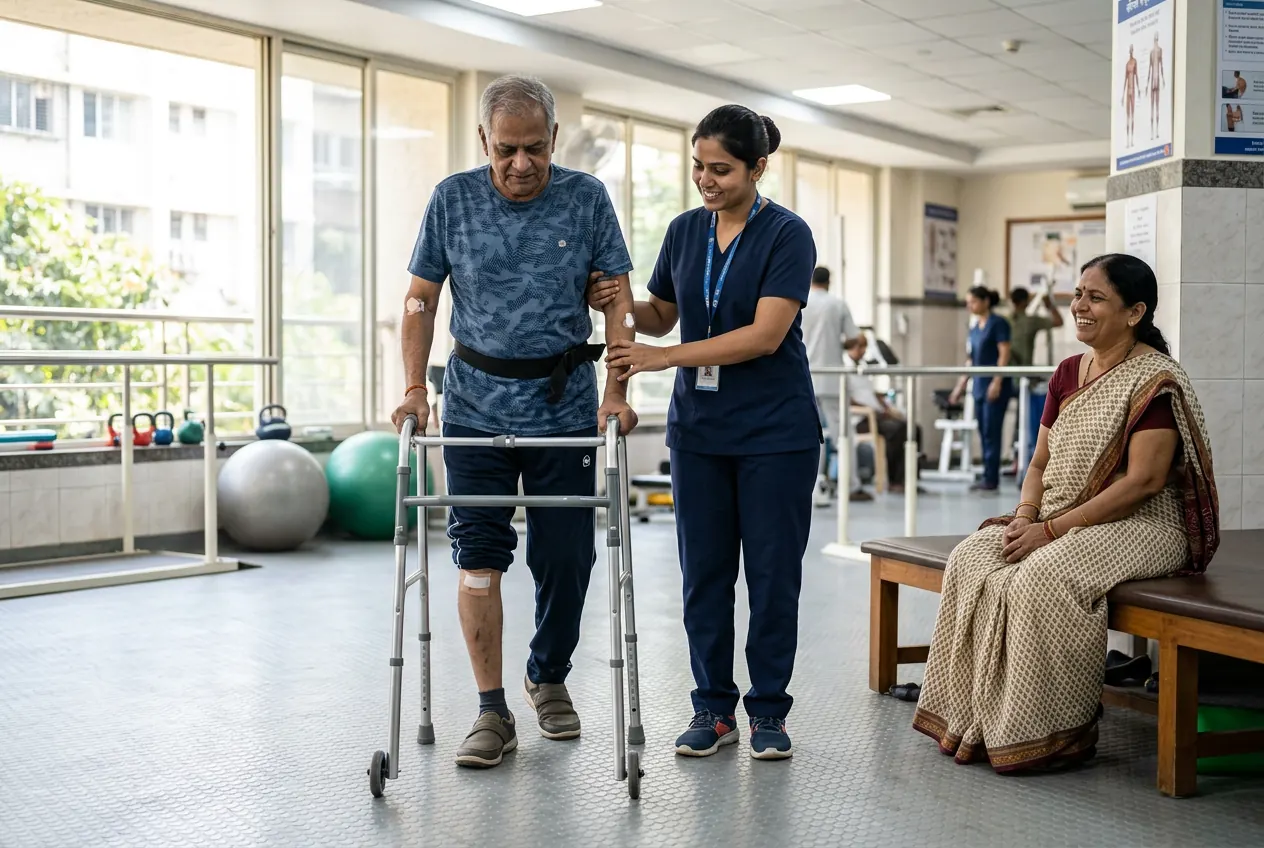
Recovery is gradual and depends on the joint, the procedure and the patient’s health. Many patients start walking with support soon after knee or hip replacement, while shoulder and elbow replacement need a longer period of protected movement. Physiotherapy is essential to regain strength and range of motion, and regular follow-up helps track the implant over the years.
Risks to be aware of
All joint replacement surgery carries risks, including infection, blood clots, stiffness, nerve or blood vessel injury, dislocation, implant loosening and the possible need for further surgery. These are discussed in detail before consent, together with steps taken to reduce them.
Frequently asked questions
Am I too old or too young for joint replacement?
There is no fixed age limit. Suitability depends on symptoms, joint damage and overall health rather than age alone.
How long do joint replacements last?
Many modern implants function well for many years, but lifespan varies with the joint, activity level, body weight and other factors. Regular follow-up is advised.
Where can I be seen?
Consultations are available at Empire Hospital, Sola and Epic Multispecialty Hospital, Thaltej, Ahmedabad. Please call to confirm timings.
This page offers general information. The right treatment depends on your examination, imaging and personal goals. Request a consultation to discuss your situation with Dr. Karnav Panchal.