
Introduction
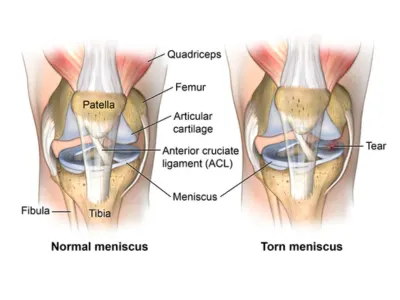
Athletes put tremendous stress on their knees through running, jumping, twisting, and sudden directional changes. One of the most common knee problems in sports is a meniscus injury. The meniscus is a C-shaped cartilage that cushions and stabilizes the knee joint.
When torn, athletes often experience pain, swelling, and limited mobility. The good news is that with advanced meniscus tear treatment, proper rehabilitation, and guided care from a sports orthopaedic specialist, most athletes can safely return to their game.
If you’re searching for:
- Meniscus injury treatment in athletes
- Best meniscus tear doctor near me
- Meniscus surgery recovery time
- Knee cartilage injury treatment
- Return to sports after meniscus surgery
What is a Meniscus Injury?
The meniscus acts like a shock absorber between the thighbone (femur) and shinbone (tibia). Each knee has two menisci – medial (inner) and lateral (outer).
Common Causes in Athletes:
- Sudden twisting during football, basketball, or tennis
- Direct impact in contact sports
- Age-related wear and tear in veteran athletes
- Previous knee injuries making the joint vulnerable
Symptoms of a Meniscus Tear
Athletes often notice:
- Knee pain when twisting or squatting
- Swelling and stiffness
- Clicking or locking sensation
- Difficulty straightening the knee fully
- Feeling of “giving way”
If you experience these symptoms, early diagnosis and meniscus tear treatment is crucial for long-term joint health.
Types of Meniscus Tears
- Radial Tear – Most common in athletes
- Horizontal Tear – Associated with degeneration
- Complex Tear – Combination of tear patterns
- Bucket Handle Tear – Severe, causing locking
- Flap Tear – Small but painful
Diagnosis of Meniscus Injury
Sports orthopaedic doctors use:
- Physical exam (McMurray’s test, Apley test)
- MRI scan for detailed tear visualization
- Arthroscopy for both diagnosis and treatment
Recovery & Return to Sports After Meniscus Injury
Recovery Timeline
- Non-surgical treatment: 4–8 weeks
- Meniscus repair surgery: 3–6 months
- Partial meniscectomy: 4–8 weeks
- Meniscus transplant: 6–12 months
Return to Sports Checklist
- No pain or swelling
- Full range of motion
- Strength equal to the other leg
- Ability to perform sport-specific drills
Preventing Meniscus Injuries in Athletes
- Warm-up properly before training
- Strengthen leg muscles (quads, hamstrings, glutes)
- Use correct footwear for shock absorption
- Avoid sudden twisting on planted feet
- Regular sports physiotherapy checkups
Treatment Options for Meniscus Injury in Athletes
A meniscus tear does not always mean the end of an athlete’s career. With modern meniscus tear treatments, athletes can return to sports safely and regain full knee function. The right treatment depends on the type of tear, severity, age, sport, and overall health of the athlete.
1. Conservative (Non-Surgical) Treatment for Meniscus Tear
- Small, stable tears or minor cartilage damage often heal with non-surgical care. Methods include: RICE Protocol (Rest, Ice, Compression, Elevation) Anti-inflammatory medications for pain relief Meniscus tear physiotherapy to restore mobility Knee braces to support joint stability Pain management for meniscus tear at a sports injury clinic 👉 This option works well for athletes with mild injuries who want meniscus relief without surgery.
- RICE Protocol (Rest, Ice, Compression, Elevation)
- Anti-inflammatory medications for pain relief
- Meniscus tear physiotherapy to restore mobility
- Knee braces to support joint stability
- Pain management for meniscus tear at a sports injury clinic
2. Meniscus Repair Surgery
When the tear is severe, located in the vascular zone (red zone), or in young athletes, doctors recommend meniscus repair surgery.
Benefits:
- Preserves natural meniscus tissue
- Long-term knee protection
- Higher chance of returning to competitive sports
Athletes undergoing meniscus repair surgery in sports clinics typically recover within 3–6 months before resuming high-impact activities.
3. Partial Meniscectomy (Meniscus Removal Surgery)
In cases where repair is not possible, doctors may remove the damaged portion of the meniscus.
Key points:
- Provides quick pain relief
- Faster recovery (4–8 weeks) compared to repair
- May increase long-term risk of arthritis
👉 Often recommended for older athletes or those with complex meniscus tears.
4. Meniscus Transplant Surgery
For athletes who have lost most or all of their meniscus, a meniscus transplant is an advanced treatment option.
Highlights:
- Uses donor cartilage to restore cushioning
- Recommended for young athletes with persistent knee pain
- Recovery takes 6–12 months with intensive physiotherapy
This is performed by specialized sports orthopaedic surgeons in advanced hospitals.
5. Physiotherapy & Rehabilitation for Meniscus Tear
No matter the treatment chosen, physiotherapy for meniscus injury plays a vital role.
Goals of rehab:
- Reduce swelling and stiffness
- Improve knee range of motion
- Strengthen quadriceps, hamstrings, and glutes
- Gradually return to sport-specific drills
👉 Proper meniscus tear rehab exercises ensure athletes can safely return to sports without re-injury.
6. Injection-Based Therapies
Some athletes benefit from advanced injection treatments:
- Platelet-Rich Plasma (PRP) injections
- Corticosteroid injections for pain relief
These are popular among athletes seeking faster recovery for meniscus injury without surgery.
7. Pain Management & Supportive Care
- Knee joint pain clinics offer customized pain management for athletes
- Use of taping, braces, and supportive gear during sports
- Sports nutrition for joint recovery
When to See a Doctor?
Seek medical attention if you experience:
- Persistent pain for more than 2 weeks
- Stiffness restricting daily activities
- Night pain disturbing sleep
- Recurrent shoulder dislocations
Top options include:
- Top orthopaedic for frozen shoulder Ahmedabad
- Best orthopaedic for frozen shoulder Gujarat
- Frozen shoulder doctor near me (search-friendly keyword)
FAQs on Meniscus Injury in Athletes
Can an athlete play with a meniscus tear?
Mild tears may allow limited play, but untreated meniscus injuries can worsen. Always consult a sports orthopaedic for meniscus tear before resuming activity.
What is the fastest way to heal a meniscus injury?
Rest, physiotherapy, and strengthening exercises help, but some tears require meniscus repair surgery.
How long after meniscus surgery can I return to sports?
Athletes can return in 3–6 months after meniscus repair, depending on recovery and physiotherapy.
Can meniscus tears heal without surgery?
Small tears sometimes heal naturally, but most athletes need treatment or surgical repair for full return to sports.
Who is the best doctor for meniscus tear treatment in Gujarat?
A sports orthopaedic surgeon specializing in knee injuries is best for meniscus tears, especially for athletes looking to return to competitive sports.
Is meniscus surgery safe for athletes?
Yes ✅. Modern arthroscopic meniscus repair surgery is minimally invasive, safe, and effective. With proper rehab under a sports orthopaedic specialist, most athletes recover fully and return to competitive sports.
What happens if a meniscus tear is left untreated?
If untreated, a meniscus tear can worsen over time, leading to chronic knee pain, swelling, instability, and early arthritis. That’s why athletes should seek knee cartilage injury treatment at a sports injury clinic near me as soon as possible.
Can physiotherapy cure a meniscus tear?
Physiotherapy cannot “heal” a torn meniscus completely, but it helps strengthen surrounding muscles, restore knee stability, and reduce pain. Many small tears improve with meniscus physiotherapy recovery programs without surgery.
How can athletes speed up meniscus tear recovery?
Athletes can speed recovery by following a structured rehab plan, avoiding overuse, eating a joint-healing diet rich in protein and collagen, and attending regular sessions at a meniscus physiotherapy clinic.
What is the success rate of meniscus repair surgery?
The success rate of meniscus repair surgery is high, especially in young athletes, with over 85–90% returning to sports after proper recovery. The outcome improves when treated by a sports orthopaedic surgeon specializing in meniscus injuries.
Choosing the Right Surgeon & Hospital in Gujarat
When looking for the Best Meniscus Injury in Athletes treatment in Gujarat/Ahmedabad or Best Meniscus Injury in Athletes treatment in Gujarat/Ahmedabad, keep these points in mind:
- Surgeon’s experience in partial and minimally invasive procedures
- Hospital’s technology, support staff, and patient reviews
- Post-op support including physiotherapy and follow-ups
- Transparency about success rates and complications
Top-rated centers in Gujarat, including those in Ahmedabad, Surat, Vadodara, and Gandhinagar, offer trusted advanced knee replacement procedures with high patient satisfaction.
Conclusion
A meniscus injury in athletes doesn’t have to end a sports career. With the right treatment, physiotherapy, and guidance from a sports orthopaedic, athletes can achieve full recovery and safely return to their favorite game.
If you’re looking for the best treatment for meniscus tear, consult a sports injury clinic in Ahmedabad or Gujarat for personalized care. Whether you need meniscus repair surgery, physiotherapy, or non-surgical treatment, early action ensures better results and faster return to sports.
Ready to take the first step toward a pain-free life?
Contact Dr. Karnav Panchal – the Best Meniscus Injury in Athletes doctor in Gujarat/Ahmedabad or Best Meniscus Injury in Athletes treatment in Gujarat/Ahmedabad – and begin your journey to better mobility today.
Related treatment page: Meniscus Injury. To talk about your own symptoms, request a consultation.