
Overview
Patients looking for advanced Achilles tendon tear treatment often consult experienced orthopedic specialists such as Dr. Karnav Panchal in Ahmedabad, who offers both surgical and non-surgical treatment options depending on the severity of the injury.
In this guide, we will explain the causes, symptoms, diagnosis, and treatment options for Achilles tendon tears to help patients understand when medical care is necessary.
What is an Achilles Tendon Tear?
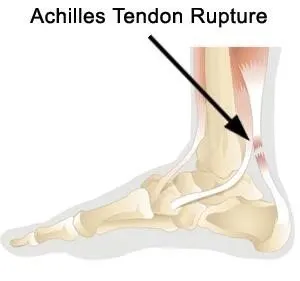
The Achilles tendon is the largest tendon in the human body and is responsible for transferring the force from the calf muscles to the foot. A tear occurs when the tendon fibers become overstretched and rupture partially or completely.
This injury commonly occurs during activities that involve sudden movements such as:
- Running or sprinting
- Jumping sports like basketball or badminton
- Sudden direction changes
- Intense physical activity without proper warm-up
Achilles tendon tears are commonly seen in athletes, active individuals, and middle-aged adults.
Common Symptoms of an Achilles Tendon Tear
Recognizing the symptoms early helps patients seek timely medical care.
Sudden Severe Pain
Most patients experience sudden pain in the back of the ankle or heel, often described as a sharp or stabbing sensation.
Popping Sound
Some people hear or feel a pop at the moment the tendon tears.
Difficulty Walking
Walking becomes difficult due to reduced strength in the affected leg.
Swelling and Tenderness
The area around the heel may appear swollen, bruised, or tender.
Weak Push-Off While Walking
Patients may find it difficult to stand on their toes or push the foot forward while walking.
If you notice these symptoms, consulting an orthopedic expert like Dr. Karnav Panchal is highly recommended.
Causes and Risk Factors
Several factors can increase the risk of an Achilles tendon tear.
Sudden Physical Activity
Participating in sports without proper warm-up or training can strain the tendon.
Age-Related Degeneration
As people age, the tendon naturally becomes weaker and less flexible.
Sports Injuries
Athletes involved in running, football, tennis, and basketball are at higher risk.
Improper Footwear
Shoes without proper heel support can put extra stress on the tendon.
Previous Tendon Injuries
People with a history of tendonitis or previous tendon injuries are more prone to rupture.
Early diagnosis helps prevent worsening of the injury and ensures proper treatment.
Diagnosis of Achilles Tendon Tear
Orthopedic specialists use several methods to diagnose the injury.
Physical Examination
The doctor checks the ankle for swelling, tenderness, and mobility limitations.
Thompson Test
This test evaluates whether the Achilles tendon is functioning correctly by squeezing the calf muscles.
Imaging Tests
Doctors may recommend imaging tests such as:
- Ultrasound scan
- MRI scan
These tests confirm whether the tendon is partially torn or completely ruptured.
Patients in Ahmedabad can receive accurate diagnosis and treatment from Dr. Karnav Panchal.
Non-Surgical Achilles Tendon Tear Treatment
In cases of partial tears or mild injuries, non-surgical treatment can be effective.
Rest and Immobilization
The ankle is placed in a cast or walking boot to allow the tendon to heal.
Physiotherapy
Rehabilitation exercises help restore strength and flexibility in the calf muscles.
Anti-Inflammatory Medication
Medications may be prescribed to reduce pain and swelling.
Activity Modification
Patients are advised to avoid high-impact activities during the recovery period.
Non-surgical treatment is typically recommended for older patients or individuals with less physically demanding lifestyles.
Surgical Treatment for Achilles Tendon Tear
Surgery may be necessary for complete tendon rupture or severe injuries.
When Surgery is Recommended
Surgery is usually advised when:
- The tendon is completely torn
- The patient is an athlete or physically active
- Non-surgical treatment fails to improve the condition
- The injury is chronic or untreated for a long time
Surgical Procedure
During surgery, the orthopedic surgeon reconnects the torn ends of the tendon using specialized techniques. Modern surgical procedures are minimally invasive and allow faster recovery.
Patients seeking advanced treatment options often consult Dr. Karnav Panchal for effective surgical care.
Recovery and Rehabilitation
Recovery after Achilles tendon treatment requires proper rehabilitation.
Typical recovery stages include:
- Immobilization of the ankle for initial healing
- Gradual physiotherapy exercises
- Strength training for calf muscles
- Controlled return to physical activity
Most patients recover within 3 to 6 months, depending on the severity of the injury and treatment method.
Following medical advice and physiotherapy programs ensures faster recovery and prevents re-injury.
Why Choose Dr. Karnav Panchal for Achilles Tendon Treatment?
Key reasons include:
- Expertise in sports injury treatment
- Advanced diagnostic and surgical techniques
- Personalized treatment approach
- Comprehensive rehabilitation support
- Focus on long-term recovery and mobility
His experience in treating tendon injuries helps patients regain strength and return to normal life quickly.
Tips to Prevent Achilles Tendon Injuries
Preventing Achilles tendon injuries is possible with proper care and lifestyle habits.
- Always warm up before exercise
- Stretch calf muscles regularly
- Wear proper sports footwear
- Avoid sudden increases in physical activity
- Strengthen leg and ankle muscles
Following these precautions helps reduce the risk of tendon injuries.
Why Choose Dr. Karnav Panchal for Achilles Tendon Tear Treatment?
- Experienced orthopaedic surgeon specializing in foot & ankle injuries
- Advanced surgical techniques including open, percutaneous, and graft repairs
- High success rates in acute and chronic Achilles tendon tear treatment
- Modern diagnostic and surgical facilities
- Personalized care and rehabilitation programs
- Trusted by athletes, dancers, and active individuals in Ahmedabad and Gujarat
Why Choose Dr. Karnav Panchal for Achilles Tendon Treatment?
Patients across Ahmedabad trust Dr. Karnav Panchal for expert orthopedic care and advanced treatment options.
Key reasons include:
- Expertise in sports injury treatment
- Advanced diagnostic and surgical techniques
- Personalized treatment approach
- Comprehensive rehabilitation support
- Focus on long-term recovery and mobility
His experience in treating tendon injuries helps patients regain strength and return to normal life quickly.
Conclusion – How to Reach Dr. Karnav Panchal
An Achilles tendon tear can cause severe pain and mobility issues if not treated properly. Understanding the symptoms, causes, and treatment options helps patients seek timely medical care.
Both surgical and non-surgical treatments can effectively restore tendon function when managed by an experienced orthopedic specialist. If you experience persistent ankle pain, swelling, or difficulty walking, consulting Dr. Karnav Panchal in Ahmedabad can help you receive the right diagnosis and treatment.
Early treatment ensures faster healing and helps you return to an active and pain-free lifestyle.
Related treatment page: Achilles Tendon Tear Treatment by Dr. Karnav Panchal: Surgic. To talk about your own symptoms, request a consultation.